 Sustainability Annual Report 2025
Over the year UC San Francisco continued to deliver a breadth of best practices in sustainability and climate action.
UCSF produced a building energy decarbonization roadmap for its major sites that calls for multiple new electrified heating and cooling plants and thermal storage, distribution of hot and chilled water to plant-connected buildings and individual electrified plants for stand-alone buildings. Key projects from this study were prioritized in UCSF’s 10-year capital financial plan charting an implementation course to a 90% reduction in carbon emissions by the 2045 target date.
Read More about Sustainability at UC San Francisco
UCSF’s Academic Senate Committee on Sustainability published an e-course, Environmental Sustainability in the Lab, training researchers and learners on how to save resources in wet and dry labs. UCSF launched a new training, required of all employees, on indoor heat illness prevention as part of an ongoing response to the Bay Area’s increasingly frequent high temperatures. To meet a surge in demand for sustainable commute options, the campus introduced new shuttle routes, added park-and-ride lots, launched a commuter bus program, and expanded the vanpool and free bus pass program. Learners in the School of Medicine assessed UCSF’s performance in five environmental categories, including planetary health curriculum and support for student initiatives, earning an A for the institution.
Despite a more restricted grant landscape, the Office of Sustainability led efforts to secure over $2 million in funding for EV charging infrastructure, an electric shuttle bus and cybersecurity. UCSF also welcomed its inaugural chief sustainability officer and celebrated the retirement and achievements of its pioneering sustainability officer.

Stories

The Plastic Inside Us
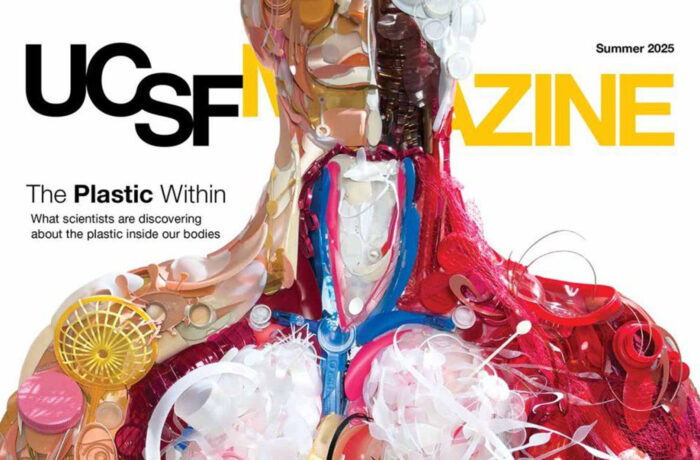
Every day people take advantage of the utility of plastic. But eventually these products turn into tiny fragments that infiltrate human bodies. UCSF experts are beginning to tease out what these microplastics mean for human health — and what can be done about it.
UCSF’s Award-Winning Freezer Rebate Program Saves Utility Costs
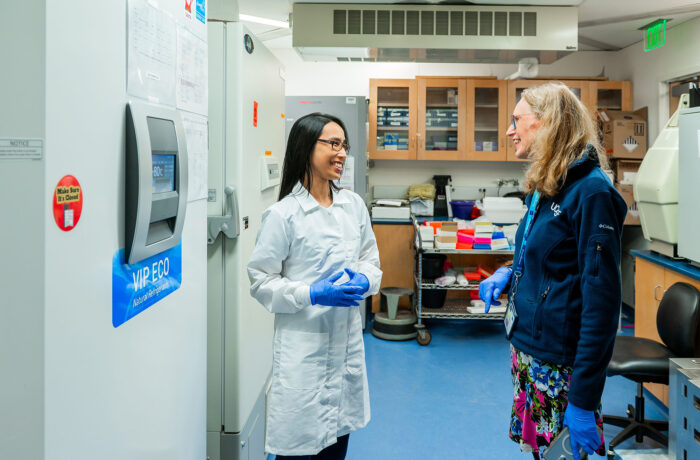
Findings on the impact of UCSF’s Energy Star freezer conversion program on energy use, costs and carbon emissions have been published so other institutions can replicate it. UCSF’s approach makes a large-scale initiative to replace energy-inefficient ultra-low-temperature freezers logistically possible, reduces the carbon footprint and demonstrates an attractive return on investment while proactively protecting valuable research materials.
EMISSIONS
*Methodological changes in scope 3 accounting introduced beginning in 2019
**90% direct reduction of total emissions from 2019 levels with residual emissions negated by carbon removal
Scope 1 emissions rose by approximately 3% in 2024 due to building energy use associated with UCSF Health’s newly acquired Hyde and Stanyan hospitals, plus increased fleet emissions from additional gasoline use in shuttle service to meet higher ridership demand. Scope 2 emissions remained zero. Scope 3 emissions rose with the incorporation of municipal solid waste emissions into the inventory.
ENERGY – RENEWABLE ENERGY USE
ENERGY USE INTENSITY (EUI)
UC San Francisco saw a decrease in its EUI in the calendar year 2024.
FOOD
of food and beverage purchases met sustainability criteria ($713K)
of food and beverage purchases were plant-based ($436K)
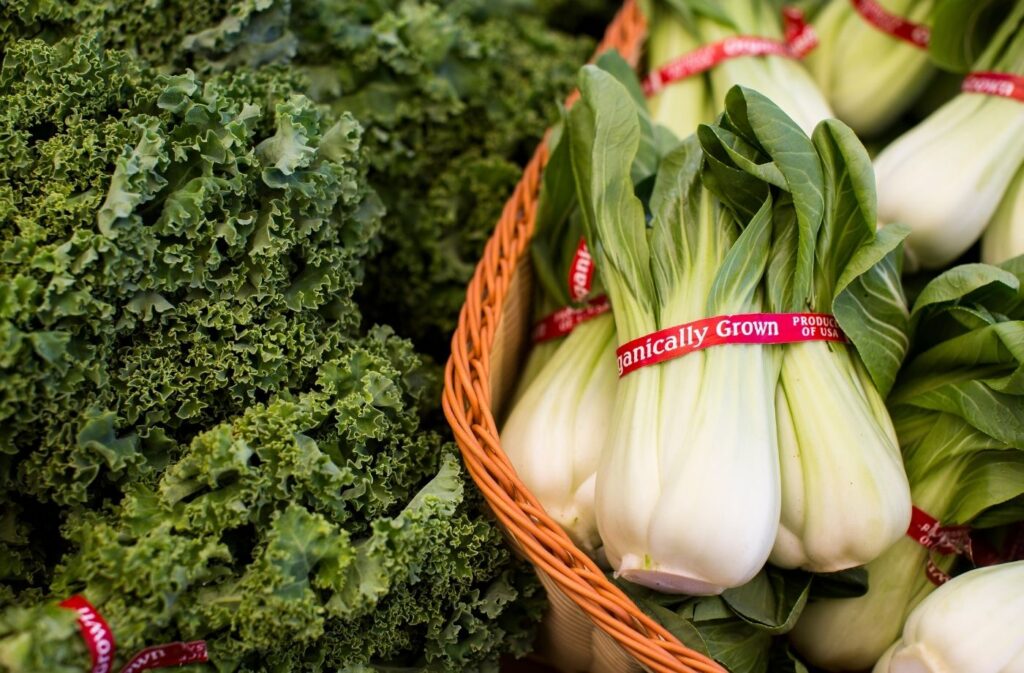
UCSF’s sustainable food spend continued to exceed the goal, reaching more than 57%. Plant-based food spend decreased to 35% as a result of missing data but still exceeded the goal. Total food spending nearly doubled as a result of increased tenant business activities — from about $660,000 to more than $1.2 million.
Green building
UCSF achieved one LEED Gold certification.
16 Gold, 6 Silver and 5 Certified
Total number of LEED certifications
Healthy Vending

healthy vending spend on food ($103K)

healthy vending spend on beverages ($112K)
Healthy vending is defined as meeting UC’s Healthy Vending Guidelines. Data is from 2023–24.
Fiscal year 2023–24 represented the first year healthy vending data was collected, providing an important baseline for measuring progress in the coming years. UCSF has made progress by eliminating regular Coke from vending machines and by working with Canteen, the University of California’s contracted vending and micromarket services provider, to stock healthier snack alternatives. UCSF is working to align its offerings with campus health and sustainability goals.
procurement
The University reports on green spend, as defined in the Sustainable Procurement Guidelines, and reached out to suppliers for spend data in four product categories for this year’s report.

green spend on electronics (55%)

green spend on indoor office furniture (65%)

green spend on cleaning supplies (56%)

green spend on office supplies (30%)
Green spend is defined as meeting preferred or minimum criteria in UC’s Sustainable Procurement Guidelines.
Suppliers reporting: Electronics (10), Furniture (5), Cleaning supplies (5), Office supplies (5).
UC Systemwide Spend Analytics category data provided by CalUSource.
Sustainable Building & Laboratory Operations

total assessed green laboratories
The campus certified one new lab and engaged 112 labs to sign up for the ultra-low-temperature freezer rebate program.
Transportation
Due to significant changes in UCSF Parking and Transportation policies implemented in June 2025, the campus did not conduct a new survey in 2024–25. A new survey is planned for launch in fall 2025.

of students and employees are utilizing sustainable commuting methods
of all vehicles and 0% sedans and minivans acquired in 2025 were sustainable vehicles*
20%
of the fleet consists of sustainable vehicles*

EV charging ports
Sustainable vehicles are defined as electric (zero-emission), plug-in hybrid or clean transportation fuel
WATER
*Based on a 3-year average of fiscal years 2005-08
**2025 goal is a 36% reduction from baseline.
Campus water consumption was 1.3 million gallons lower than the previous year, while weighted campus population increased. UCSF continues to meet the 2025 water reduction goal.
ZERO WASTE – GENERATION
*These numbers might include a small amount of incineration that is being phased out.
With the return-to-work mandates in effect for faculty and staff and more teams on campus, as well as a new satellite campus in Fresno still ramping up its waste diversion efforts, landfill tonnages increased from previous years.
ZERO WASTE – DIVERsion
* Waste incineration was counted as diversion prior to July 2022.
The campus waste diversion decreased 4 percentage points from last year, with the amount of landfill waste increasing and recycling and compost staying relatively the same. This increase is attributed to more staff coming back on-site as well as the addition of an existing building.
Single-Use Plastics Phase-Out
Complete Phase-out*
- Plastic bags
Partial Phase-out
- Foodware (UC dining facilities)
- Foodware (third-party dining facilities)
- Beverage bottles (UC dining facilities)
- Beverage bottles (vending machines)
Starting Soon
- N/A
*Complete phase-out of single-use plastics may include exemptions where reasonable alternatives to plastic do not exist.
The bulk of the single-use plastics from UCSF’s retail establishments have been transitioned to fiber-based/compostable replacements. The branded items from larger franchise establishments have been harder to transition, so efforts to phase out single-use plastics in these locations are ongoing. As for vending machines, the phase-out of single-use plastics is nearly complete, with just one type of drink (teas) still needing to switch over.
Awards
A full list of awards is featured on the UC Office of the President’s website.