 Sustainability Annual Report 2025
Commitment
The 2025 Annual Report on Sustainable Practices explores UC’s collective action on the climate crisis.
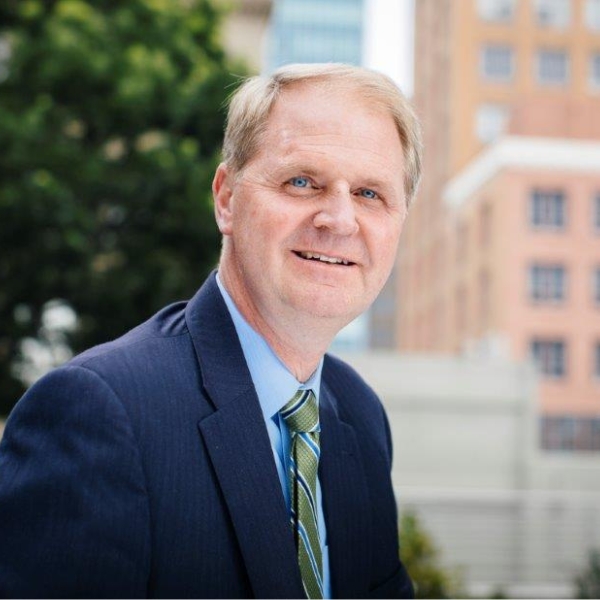
Letter from the Executive Vice President and CFO
As the University of California’s Chief Financial Officer, I have the privilege of co-chairing UC’s Global Climate Leadership Council. Alongside faculty, administrators, students and experts from across and beyond the University, we work together to implement UC’s operational climate action goals and further UC’s mission of teaching, research and public service. Since co-founding the council in 2014, the work to combat climate change has evolved, but a consistent theme has endured: sustainable innovation begins here at UC. As we reflect on the past year and look ahead, UC continues to propel the climate solutions making a difference across the state, the nation and the world.
Read the full letter
Critical to the University’s climate action goals is educating and inspiring the next generation of climate leaders and innovators. I’m proud that the council continues to support the expansion of the Bending the Curve course platform — a climate change curriculum that launched at UC San Diego in 2018. Today, it’s available for learners of all ages. Four UC campuses, universities around the world and high schools in multiple states across the country have offered the curriculum.
On the research front, UC faculty are addressing local climate-related challenges using Climate Action research grants. These state dollars support projects that help California communities understand, fight, and adapt to climate change, including mitigating forest fires and reducing chemical exposures for farmworkers. With these resources, our best and brightest researchers are addressing the climate issues touching the lives and livelihoods of our fellow Californians.
UC’s leadership in sustainable innovation has always been intertwined with patient care and public service. UCSF is a pioneer in implementing safe, efficient anesthesia practices that dramatically reduce greenhouse gas emissions. This year, UCSF successfully transitioned to multiuse anesthesia breathing circuits, devices that deliver oxygen and anesthesia gases to patients during surgery. These reusable circuits can be used for up to 24 hours when paired with a modern filter system rather than being disposed of after each patient. In a sector responsible for nearly 10 percent of all carbon emissions, UC’s innovations are a model for other health systems and contribute to reducing climate impacts.
UC innovations are also transforming transportation and agriculture. UC Santa Barbara teams are working to deploy new cost-saving technology that reduces CO2 emissions in the maritime shipping industry, another major greenhouse gas producer. Students at UC Merced are digging into technological innovations at the campus’s largest laboratory, the Experimental Smart Farm. Breakthroughs such as these can be found across sectors, from food to construction and beyond, and spanning all of our campuses and communities.
I’m grateful to our students, faculty and staff, who continue to refine, power and inspire sustainability efforts across the University. In the years to come, I am eager to see how they will continue to lead the fight to combat climate change and ensure UC remains a primary driver of sustainable innovation for California and beyond. Our collective future depends on it.

Nathan Brostrom
Executive Vice President and CFO
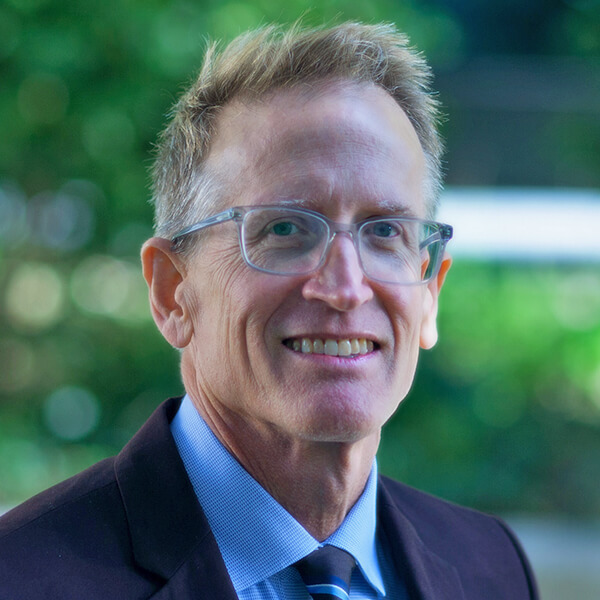
Letter from the
AVP of Capital Programs,
Energy & Sustainability
The University of California is committed to leadership in sustainability — not just through bold goals, but through meaningful action. The theme of this year’s Annual Sustainability Report is “Sustainable innovations begin here.” There’s no doubt that UC’s researchers are shaping the world with their findings, so I’ll call out a few particularly impressive examples of novel approaches in the University’s operations that are helping create a healthier, more resilient world.
Read the full letter
The Pathways to a Fossil-Free UC Task Force, a systemwide body including students, faculty, staff, administrators and external experts, completed its charge this year, delivering recommendations on how the University can accelerate its decarbonization efforts for existing buildings and infrastructure. Guided by a shared goal and scope, UC campuses and academic health centers conducted State-funded decarbonization studies to analyze their energy systems and identify pathways to transform them into fossil-free solutions as quickly as possible. The diversity of ideas and approaches discovered by UC’s locations varied significantly thanks to their unique local circumstances, thus providing a range of solutions for many other institutions to learn from and model.
An important foundation of our decarbonization progress has been energy efficiency and renewable energy use, coupled with all-electric new buildings. Energy efficiency and green building practices have reduced UC’s energy use intensity, generating $100 million in cost savings since 2024 and $623 million in cumulative cost savings since 2010. As a result of UC’s progress in these arenas, most emissions from new construction will come from embodied carbon — the emissions generated from mining, harvesting, processing, manufacturing, transporting, installing and eventually disposing of building materials. The UC Embodied Carbon Case Studies showcase different carbon reduction strategies at existing facilities, such as the use of low carbon concrete to reduce embodied carbon 36% at the UCSF Bayfront Medical Building or UC Berkeley’s mass timber Undergraduate Academic Building, which will save the amount of energy used by 300 homes annually. Creative designs can also save money, like in the case of the UC San Diego Marine Conservation and Technology Facility, where the project team maintained the concrete structure and foundation to transform a fishery building and generate an estimated 12% in cost savings. Innovations in low-carbon construction at UC are targeting a major pollution source, as the manufacturing of construction materials accounts for 15% of global emissions.
A key strength of the University of California is the unique nature of each of our campuses, academic health centers, national labs and statewide programs. Together, these locations form a dynamic ecosystem of experimentation, collaboration and progress. Solutions developed at UC are not only improving our own operations, they’re also offering blueprints for others. This year’s report reminds us that the path to a more sustainable future doesn’t start elsewhere; it starts here.

David Phillips
Associate Vice President, Capital Programs, Energy & Sustainability
Policy Areas
The University of California’s formal sustainability commitments began in 2003 with a Regental action that led to the adoption of the Presidential Policy on Green Building Design and Clean Energy Standards in 2004. Since then, UC has expanded the scope of the Sustainable Practices Policy to include climate, transportation, building operations, waste, procurement, food, water, health and well-being, UC Health and sustainability performance, as well as anti-racism, diversity, equity and inclusion.
The Sustainable Practices Policy applies to all 10 campuses, five academic health centers, UC Agriculture and Natural Resources, Lawrence Berkeley National Laboratory (LBNL) and the UC Office of the President (UCOP).
The complete UC Policy on Sustainable Practices can be accessed online. At the time of this report’s publication, revisions to the policy were under review. A summary of the goals in place as of June 30, 2025, is available below. UC’s sustainability data summarizes progress toward those goals through June 30, 2025.
Energy
- Energy efficiency: Reduce each location’s energy use intensity by an average of at least 2% annually.
- Renewable electricity: Each location will install on-site renewable electricity supplies and storage systems as appropriate to support the location’s climate action goals.
- Clean electricity: Obtain 100% clean electricity at each campus and health location by 2025. (The UC Clean Power Program has been meeting this standard since 2018.)
Food Service
- Procure 25% sustainable food as defined by the Association for the Advancement of Sustainability in Higher Education’s Sustainability Tracking, Assessment and Rating System (AASHE STARS) at each campus and 30% sustainable food as defined by Practice Greenhealth at each academic health center by 2030.
- All campuses and academic health centers will procure 25% plant-based food by 2030 and strive to procure 30%.

Sustainable Building Operations and Labs
Implement an ongoing Green Labs assessment program and assess three research groups in total at each campus. Report the number of researchers directly and indirectly engaged by the program annually.
Transportation
Fleet
- All sedan and minivan acquisitions will be zero-emission or plug-in hybrid vehicles, except for public safety vehicles with special performance requirements.
- At least 50% of all vehicles acquired by each UC location after July 2023 will be zero-emission or plug-in hybrid.

Commute
Each location shall strive to:
- Reduce its percentage of employees and students commuting by single-occupancy vehicles (SOVs) by 10% relative to its 2015 SOV commute rates by 2025.
- Have no more than 40% of its employees and no more than 30% of all employees and students commuting to the location by SOV by 2050.
- Have at least 4.5% of commuter vehicles be zero-emission by 2025.
- Have at least 30% of commuter vehicles be zero-emission by 2050.
- Take steps needed to normalize and promote telecommuting and flexible work options.
UC Health
Each academic health center will:
- Obtain 100% clean electricity by 2025.
- Design and construct new acute care/hospital facilities and medical office buildings to outperform the American Society of Heating, Refrigerating and Air-Conditioning Engineers (ASHRAE) 90.1 – 2010 by at least 30% or meet whole-building energy performance targets per the policy.
- Maintain membership in Practice Greenhealth, a nonprofit dedicated to health care sustainability, and achieve Practice Greenhealth’s Greenhealth Partner for Change award.
- Achieve a target of 25 pounds of total waste as defined by Practice Greenhealth per adjusted patient day by 2025 and strive for 20 pounds of total waste per adjusted patient day by 2030.
- Reduce growth-adjusted potable water consumption 20% by 2020 and 36% by 2025, when compared to a three-year-average baseline of fiscal year 2005–06, fiscal year 2006–07 and fiscal year 2007–08.
- Procure 30% sustainable food as defined by Practice Greenhealth by 2030.
- Procure 25% plant-based food by 2030 and strive to procure 30%.
- Evaluate at least three products/devices and associated contracts for reprocessing collection and buyback, and implement a medical device reprocessing program with an FDA-approved third-party reprocessor by 2025. Strive for new contracts to specify that at least 20% of disposables purchased be reprocessed.
- Meet UC’s required level green spend target and 25% of UC’s preferred level green spend target for procurement of office supplies, IT hardware and appliances.
- Ensure at least 50% of the beverages and 35% of the food in a vending machine meet the UC Healthy Vending Guidelines for Healthy Spend by 2025.
Zero Waste
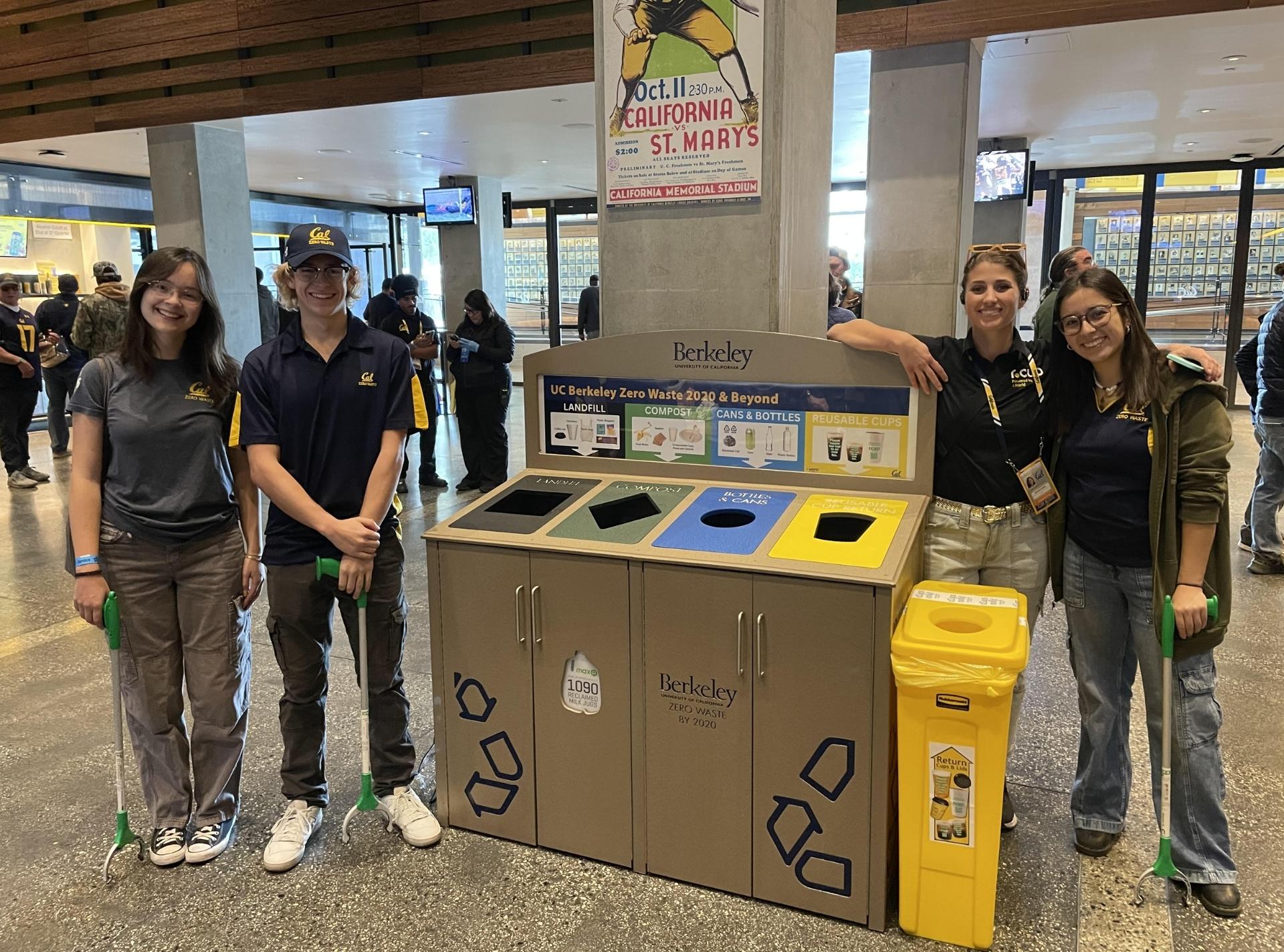
- Reduce per capita municipal solid waste generation to 25% below fiscal year 2015–16 levels by 2025 and 50% below fiscal year 2015–16 levels by 2030 at each campus.
- Divert 90% of municipal solid waste from the landfill at each campus.
- Reduce and eliminate single-use plastic items such as bags, foodware accessory items and beverage bottles by 2024.
- Prohibit the sale, procurement and distribution of packaging foam.
Timeline of Sustainability
For many decades, the University of California has been committed to sustainability in its operations, education, research and public service.