 Sustainability Annual Report 2025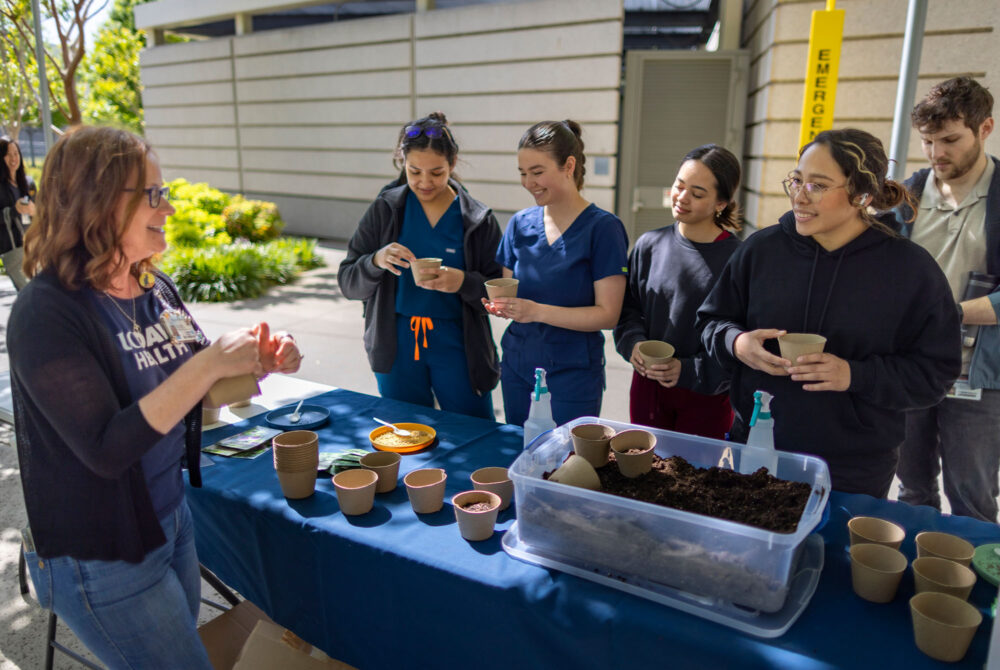
UC Davis Health (UCDH) reflects on a year marked by progress in sustainability. UCDH earned recognition from Practice Greenhealth with the Emerald Award, as an outstanding sustainable hospital in the top 20% of the nation as well as recognition in five Circles of Excellence areas: Food, Sustainable Procurement, Water, Transportation and Green Building.
Read More about Sustainability at UC Davis Health
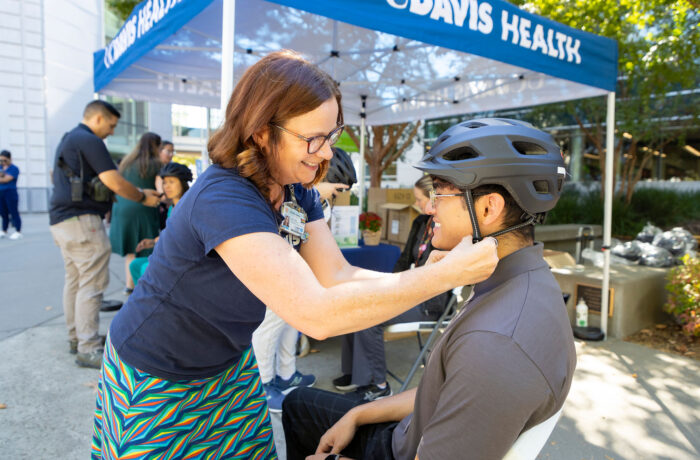
UCDH made major strides in preparing for the impacts of climate change, including developing its first-ever climate hazard toolkit focused on protecting aging populations from extreme heat and launching an equity-focused decarbonization plan, bringing diverse staff into planning for a fossil fuel-free campus. From Earth Month to Clean Air Day, UC Davis Health organized events that featured walking tours, sustainability tabling and the Second Sustainability Summit. On Clean Air Day, nearly 100 bicycle helmets were distributed, five trees were planted and achievements were spotlighted.
As the Sustainability Subcommittee of the Clinical Practice Council grows, momentum in nursing-focused sustainability continues to expand. The implementation of unit-based sustainability champions has increased interest with a recent survey showing that 60% of nurses feel waste reduction is important to them. The Sustainability Suggestion Box, launched last year, resulted in more than 60 conservation ideas, from reusable bags for patients’ belongings in mammography to adoption of reusable pillows. These suggestions inform clinical waste reduction efforts. The Emergency Department reduced paper waste by 370,000 pages per year and shifted to reusable splints, instruments and gowns, and the Radiology Department adopted reusable gowns, optimized scanner energy use and earned UCDH’s first-ever Sustainability Champion Award. UCDH took actions to reduce waste across its enterprise. It implemented a standardized recycling program, which will divert an estimated 18 tons of waste annually. Additionally, UCDH launched a pilot program in partnership with MATTER Medical, an organization that collects opened or expired but still usable medical supplies and redistributes these supplies to underserved populations around the world. UCDH formed a project task force to launch this program in six nursing units and rescued over 800 pounds of supplies in just a couple of months. Finally, after assessing that up to 90% of the contents in bundled kits, such as comfort kits and admission bins, are thrown away, UCDH eliminated both kits and provided the option for items to be purchased individually on an as-needed basis. This change resulted in eliminating over 2,000 pounds of waste per month, on average.
Stories

UC Davis Health Marks a Year of Sustainability Milestones
Through innovations in energy, waste reduction, transportation, purchasing, water reduction, design and construction, and clinical care, the health system has demonstrated a strong, ongoing commitment to advancing both human and planetary health — one impactful step at a time.
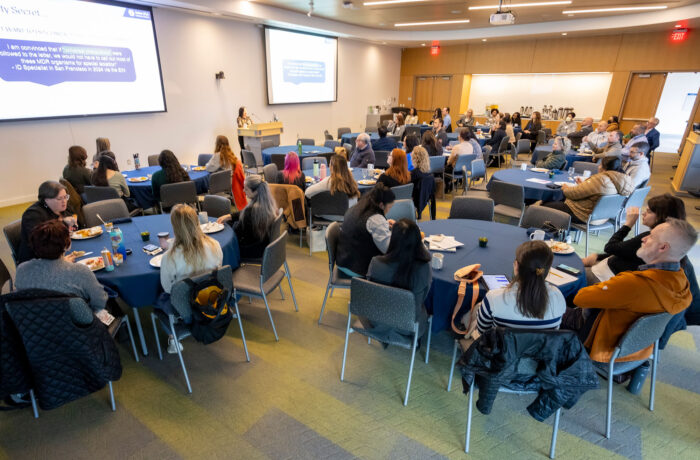
Sustainability Summit Spotlighted Sustainability Leaders and Impactful Programs
The second UC Davis Health Sustainability Summit, held on February 12, 2025, explored strategies to reduce the organization’s environmental impact and highlighted recent successes and innovations across the health system.
ENERGY USE INTENSITY (EUI)
UC Davis Health saw a decrease in its EUI in the calendar year 2024.
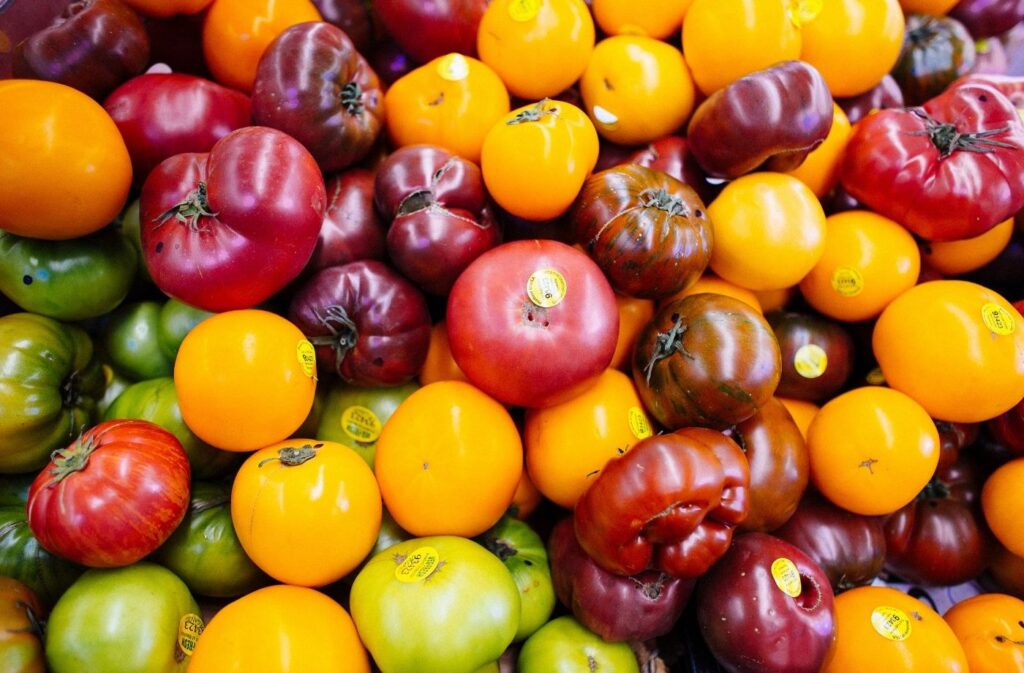
FOOD
of food and beverage purchases met sustainability criteria ($3.9M)
of food and beverage purchases were plant-based ($3.5M)
Sustainable food and beverage spend remained relatively constant, increasing less than 1 percent compared to the previous year.
UC Davis Health has focused its efforts on reducing food waste. It partnered with Copia, an organization that accepts overproduced foods to feed communities in need. Additionally, the culinary team minimized overproduction opportunities, taking food donation totals down more than 4,000 pounds from the previous year.
Green building
UC Davis Health constructed one new Gold-certified LEED building, the UC Davis Pharmacy Shared Service Center, which earned 5 points for water metering and outdoor and indoor water use reduction. UC Davis Health has five occupied all-electric buildings and three under construction. The campus also has one Parksmart-certified parking structure.
1 Platinum, 10 Gold and 1 Silver
Total number of LEED certifications
Healthy Vending

healthy vending spend on food ($48K)

healthy vending spend on beverages ($71K)
Healthy vending is defined as meeting UC’s Healthy Vending Guidelines. Data is from 2023–24.
Through a partnership with Byte Box vending machines, UC Davis Health can repurpose excess food, expanding its ability to feed more in a convenient way. Extra grilled chicken can be turned into chicken sandwiches to be sold in these vending machines in five locations throughout the medical center. This is not only a landfill waste diversion initiative but also provides busy staff an opportunity to purchase a healthy meal closer to their areas of work.
procurement
UC Davis Health Procurement is committed to reducing waste through smarter, more sustainable choices. It partnered with clinicians to review plastic waste and identify items to reduce or eliminate. For office supplies, Procurement highlighted green alternatives and prioritized purchasing recycled paper products. Additionally, a partnership with IT hardware providers to use data to guide more sustainable decisions was another successful focus. In fiscal year 2025, UC Davis Health collected more than 17,000 pounds of equipment for reprocessing, diverting it from the landfill and saving more than $133,000.

green spend on appliances and IT hardware (90%)

green spend on office supplies (47%)
cost savings through medical device reprocessing (representing 17,120 pounds of waste avoided)
Green spend is defined as meeting preferred or minimum criteria in UC’s Sustainable Procurement Guidelines.
Suppliers reporting: Appliances and IT hardware (4), Office supplies (1).
“Reprocessing” refers to the FDA-approved re-manufacturing process carried out on a used device, including cleaning, disinfection, sterilization, testing and related procedures to allow its safe reuse. This process allows health facilities to reduce their reliance on single-use devices.
Transportation

of students and employees are utilizing sustainable commuting methods
of all vehicles and 0% of sedans and minivans acquired in 2025 were sustainable vehicles*
43%
of the fleet consists of sustainable vehicles*
EV charging ports
*Sustainable vehicles are defined as electric (zero-emission), plug-in hybrid or clean transportation fuel.
UC Davis Health invested in increasing bicycle ridership. It opened a newly constructed bike shelter with 120 bike parking spaces, accessory lockers and a water bottle filling station, held two bike riding classes and provided over 150 free helmets to employees and students. The Be Smart About Safety grant enabled production of a video informing riders how to use the bike shelter’s new vertical-style racks. The overall campus’s drive-alone rate decreased by 4%, correlating with an increase in reported telecommuting.
WATER
*Based on a 3-year average of fiscal years 2005-08
**2025 goal is a 36% reduction from baseline.
The 200,000-square-foot North South tower was vacated by mid-2024 and fully decommissioned in early 2025, leading to a substantial decrease of more than 65,000 in domestic water consumption. Seasonally lower temperatures also resulted in domestic water savings at the Central Utility Plant. UC Davis Health realized a 63% reduction from baseline in water use.
ZERO WASTE – GENERATION
*Per capita figures are calculated using Adjusted Patient Day (APD).
**Data provided if not counted in other waste streams.
UC Davis Health saw a reduction of more than 390,000 pounds of municipal solid waste, or about 28 pounds per adjusted patient day, a reduction of 1.4 pounds per adjusted patient day from the previous year. The health center expanded organic composting, implemented centralized waste stations and expanded recycling programs, including recycling items from patient rooms, resulting in the diversion of more than 23,000 pounds of surplus medical supplies from the landfill to underserved communities globally. UC Davis Health is now able to collect and compost an expanded food waste stream that includes various breads, pizza doughs and liquids like soups and sauces.
Single-Use Plastics Phase-Out
Complete Phase-out*
- Plastic bags
- Beverage bottles (vending machines)
Partial Phase-out
- Foodware (UC dining facilities)
- Foodware (third-party dining facilities)
- Beverage bottles (UC dining facilities)
Starting Soon
- N/A
*Complete phase-out of single-use plastics may include exemptions where reasonable alternatives to plastic do not exist.
UC Davis Health phased out all single-use plastic water bottles in retail locations, Byte Box vending machines and catering facilities. The next opportunity under exploration is to replace single-use plastic bottles in patient service areas with aluminum can products. Through a grant awarded by the UC Zero Waste Working Group, a single-use plastic utensil reduction project is underway, seeking to encourage staff to use reusable utensils in campus cafes. Nearly 3,000 complimentary reusable utensils kits have been provided to staff so far.
Awards
UC Davis Health was honored this year with the Practice Greenhealth Emerald Award, which recognizes the top 20% of applicants (out of more than 500 hospitals) and is focused on advanced sustainability programs and exemplary scores in a range of categories. UC Davis Health was also honored with five Circles of Excellence Awards, including Food, Sustainable Procurement, Water, Transportation and Green Building.
A full list of awards is featured on the UC Office of the President’s website.

Combined Data
Progress on the following policy areas for this Health System is reported by the campus location: