 Sustainability Annual Report 2025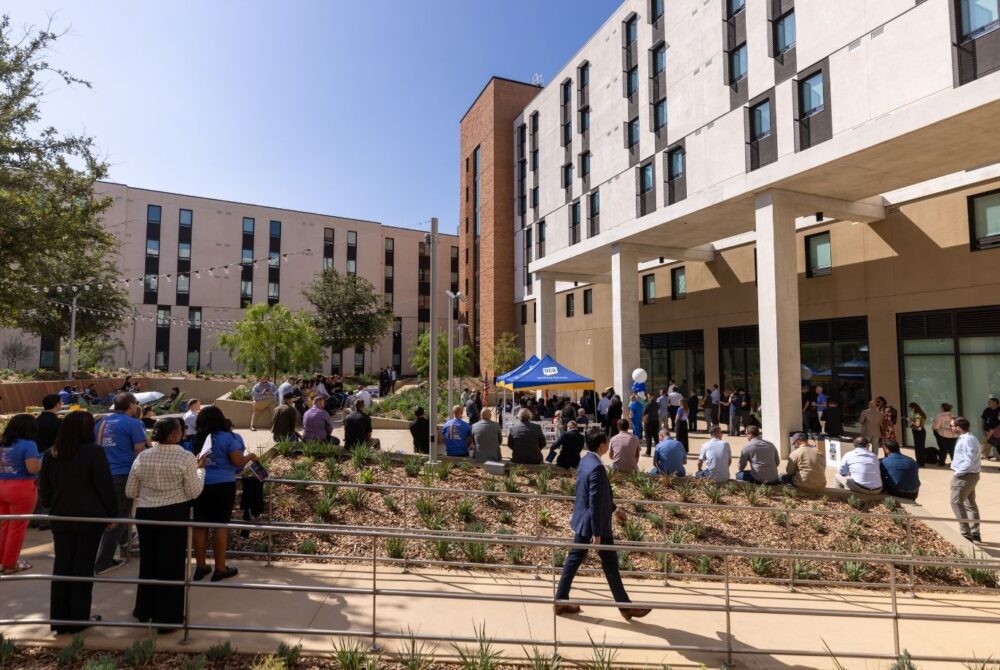
Fiscal year 2024–25 marked the first year of implementing the UCR 2030 Strategic Plan, which places sustainability and climate action at the core of campus growth and operations.
Guided by the plan’s “Sustainability for Climate Action and Environmental Justice” pillar, UC Riverside advanced initiatives to reduce greenhouse gas emissions, strengthen climate resilience and foster collaboration across the campus and broader region.
Read More about Sustainability at UC Riverside
Another major milestone was the release of the Campus Decarbonization Study in November 2024, which outlines a pathway to reduce scope 1 emissions by 90% from the 2019 baseline. The study evaluates strategies such as electrification, thermal energy storage, biogas and hydrogen, while integrating climate justice and equity considerations, research opportunities and living-laboratory applications.
On May 15, 2025, UCR earned a Gold rating from the AASHE STARS (Association for the Advancement of Sustainability in Higher Education Sustainability Tracking, Assessment and Rating System) program, recognizing campus-wide achievements across academics, engagement, operations, planning and innovation. This builds on prior recognitions in 2013, 2016 and 2021, with the current rating valid through 2028.
In parallel, UCR launched its inaugural Climate Action and Adaptation Plan, set for completion in 2025, serving as a roadmap for climate mitigation, adaptation and resilience to reduce total emissions 90% by 2045. Regionally, the Inland SoCal OASIS Climate Action Conference convened researchers, policymakers and industry leaders to advance sustainability-driven innovation and regional climate resilience.
While total emissions rose slightly (3%) due to slightly higher temperatures, increase in the local utility’s emission factors and construction under the 2021 Long Range Development Plan, UCR continues to implement strategies and collaborations to ensure that campus growth is environmentally responsible, resilient and equitable.

Stories

UCR and U of Michigan Launch Hydrogen-Engine Alliance
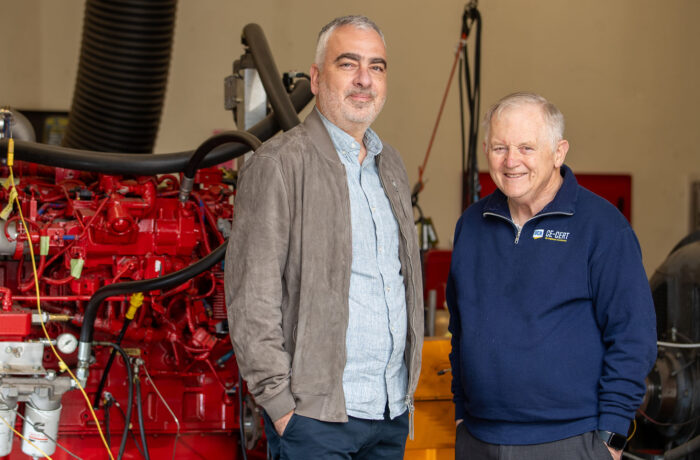
In February 2025, UC Riverside and the University of Michigan launched the Hydrogen Engine Alliance of North America (H2EA-NA) to advance hydrogen as a viable fuel for internal combustion engines, complementing electric and zero-emission technologies. In May 2025, H2EA-NA hosted the inaugural North American Hydrogen Engine Conference, bringing together 150 participants from 90+ organizations to explore hydrogen-powered engines as a clean transportation solution. These efforts highlight UCR’s leadership in hydrogen research and sustainable transportation innovation.
UCR Celebrates Groundbreaking for Innovation Park
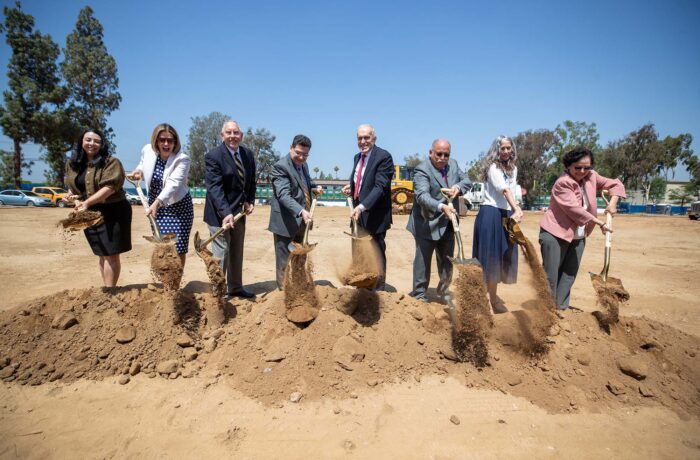
On June 23, 2025, UC Riverside broke ground on SoCal OASIS Park, a 3.44-acre, $68 million research and innovation hub supporting economic growth in Inland Southern California. The 39,000-square-foot facility will feature laboratories, maker spaces, collaborative work areas and flexible offices for incubators and startups. UCR Extension and CE-CERT will occupy space, while the park fosters partnerships with industry and the community to advance clean and next-generation technologies.
EMISSIONS
*Methodological changes in scope 3 accounting introduced beginning in 2019
**90% direct reduction of total emissions from 2019 levels with residual emissions negated by carbon removal
In 2024, UC Riverside’s total greenhouse gas emissions increased by approximately 3% compared with 2023. Scope 1 emissions rose by 0.5%, scope 2 emissions increased by 17% and scope 3 emissions decreased by 15%. The increase in 2024 emissions was associated with higher electricity emission factors from the municipal utility combined with campus growth with the construction and completion of the School of Business Building, and the construction of the North District Phase 2 student housing and Undergraduate Teaching and Learning Facility.
ENERGY – RENEWABLE ENERGY USE
ENERGY USE INTENSITY (EUI)
UC Riverside’s EUI increased slightly in 2024 due to new spaces coming online and becoming fully occupied, following a 12% increase in square footage in 2022–2023. New structures included the School of Medicine Education Building II and School of Business Building.
FOOD
of food and beverage purchases met sustainability criteria ($653K)
of food and beverage purchases were plant-based ($2.6M)
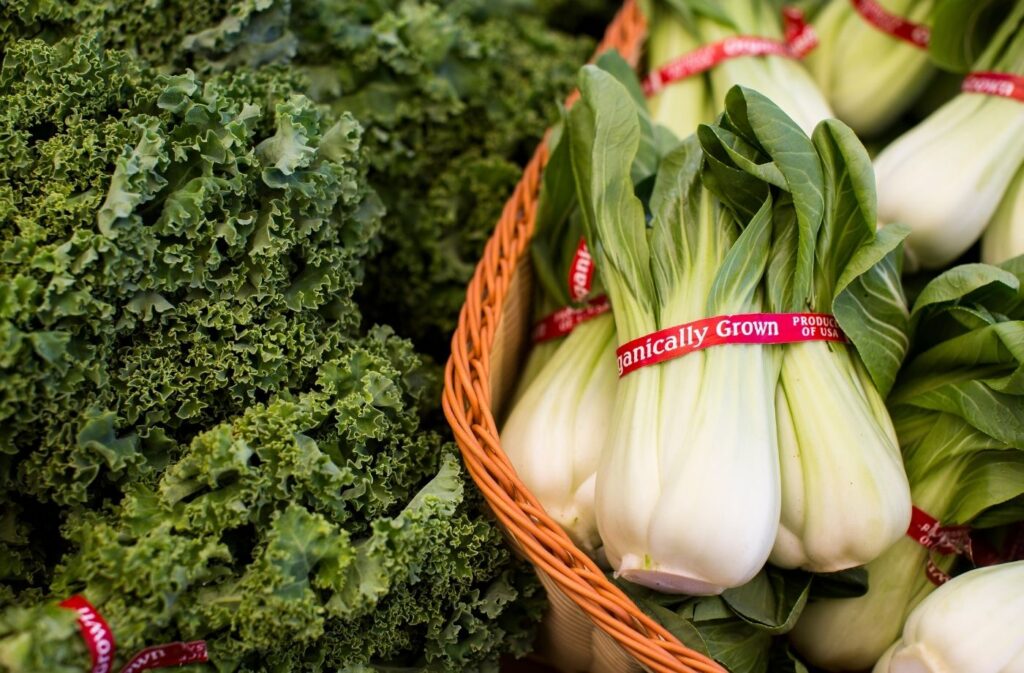
Sustainable food spend increased from about 3% in 2023–24 to 7% in 2024–25. Plant-based food spend experienced a decline of approximately 6%; however, it remained above the 25% food spend goal. The increase in sustainable food purchases is largely attributed to the launch of new campus dining operations, including Noods, Scoops and the Biz Café. Additionally, food recovery efforts improved significantly, with a 32% increase in donations resulting from the introduction of the ScottyEats Program.
Green building
In fiscal year 2024–25, the new School of Business Building was completed and received LEED Platinum certification; this makes it the third LEED Platinum building on campus. The School of Business Building includes a 216-kilowatt solar array on the roof, which increased the campus solar photovoltaic capacity to over 9 megawatts.
3 Platinum, 11 Gold, 4 Silver and 1 Certified
Total number of LEED certifications
Healthy Vending

healthy vending spend on food ($22K)

healthy vending spend on beverages ($18K)
Healthy vending is defined as meeting UC’s Healthy Vending Guidelines. Data is from 2023–24.
The 2023–24 fiscal year marked the first cycle of reporting healthy vending data in alignment with policy requirements. During this period, UC Riverside spent approximately $89,000 on vending food and beverages, with about 32% allocated to healthy food options and 20% to healthy beverages.
procurement
The University reports on green spend, as defined in the Sustainable Procurement Guidelines, and reached out to suppliers for spend data in four product categories for this year’s report.

green spend on electronics (26%)

green spend on indoor office furniture (84%)

green spend on cleaning supplies (71%)

green spend on office supplies (21%)
Green spend is defined as meeting preferred or minimum criteria in UC’s Sustainable Procurement Guidelines.
Suppliers reporting: Electronics (8), Furniture (7), Cleaning supplies (4), Office supplies (4).
UC Systemwide Spend Analytics category data provided by CalUSource.
Sustainable Building & Laboratory Operations

total assessed green laboratories
In 2024–25, two UCR laboratories were recertified, bringing the total number of certified labs to eight, as efforts continue to renew certifications for labs that have reached their three-year expiration period. An additional six laboratories are currently undergoing the assessment process, with four labs replacing equipment over 10 years old with Energy Star-certified models through incentive funds from UC’s partnership with Fisher Scientific. Eleven glove recycling boxes were also distributed across campus to collect and recycle one of the most common forms of laboratory waste.
Transportation
In 2024–25, 34% of campus commuters traveled by single-occupancy vehicle, while 66% utilized alternative commuting methods. UC Riverside supported zero-emission mobility by maintaining 183 active electric vehicle charging ports and 10 additional stub-outs for future expansion. Clean transportation acquisitions also advanced, with 32% of vehicles purchased through Fleet Services consisting of zero-emission vehicles or plug-in hybrid electric vehicles. In addition, UCR’s health promotion department, in collaboration with campus partners, renewed efforts to promote micromobility safety through education and outreach initiatives.

of employees are utilizing sustainable commuting methods

of all vehicles acquired in 2025 were sustainable vehicles*
32%
of the fleet consists of sustainable vehicles*

EV charging ports
Sustainable vehicles are defined as electric (zero-emission), plug-in hybrid or clean transportation fuel
WATER
*Based on a 3-year average of fiscal years 2005-08
**2025 goal is a 36% reduction from baseline.
In fiscal year 2024–25, UCR reduced water use by approximately 42% compared to the baseline, surpassing the policy goal by 6%. This measurement reflects campus water usage within the 2021 Long Range Development Plan boundary.
ZERO WASTE – GENERATION
*These numbers might include a small amount of incineration that is being phased out.
**In 2021, waste generation per weighted campus user spiked due to pandemic-related closures as base-level operations continued but the number of users on campus decreased.
In 2024–2025, UCR generated 0.60 pounds of waste per person per day, an improvement from 0.62 in 2023–24 and well below the 2025 policy goal of 0.81 lbs per person per day.
ZERO WASTE – DIVERsion
*Waste incineration was counted as diversion prior to July 2022.
In 2024–25, UCR had a diversion rate of 52%, not including construction and demolition (C&D), an increase from the 50% diversion rate last year. The diversion with C&D jumped to 81% from 60% in the previous year. That increase was due to the removal and demolition of a building and parking structure.
Single-Use Plastics Phase-Out
Complete Phase-out*
- Plastic bags
Partial Phase-out
- Foodware (UC dining facilities)
- Foodware (third-party dining facilities)
- Beverage bottles (UC dining facilities)
- Beverage bottles (vending machines)
Starting Soon
- N/A
*Complete phase-out of single-use plastics may include exemptions where reasonable alternatives to plastic do not exist.
UCR Dining Services is committed to reducing single-use plastics and has successfully eliminated plastic bags and single-use plastic water bottles while continuing efforts with its beverage suppliers to eliminate more single-use plastic beverage bottles. About half of the disposable food packaging items used by Dining Services and third-party food vendors are compostable, and the department continues to work with suppliers to replace more single-use plastic items with compostable or reusable containers. Limitations on the compostable items that the waste haulers are able to accept make it challenging to eliminate single-use plastics.
Awards
A full list of awards is featured on the UC Office of the President’s website.