 Sustainability Annual Report 2025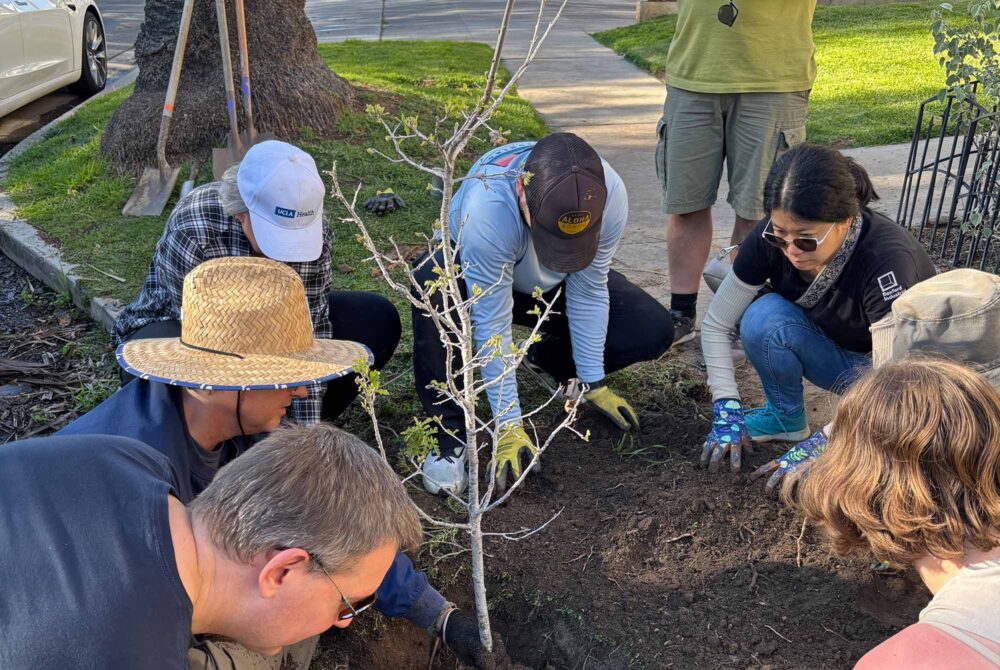
In January 2025 UCLA Health, as part of the UCLA and broader Los Angeles communities, experienced the devastating impacts of the Los Angeles wildfires.
Hundreds of employees were directly impacted, along with thousands of patients. Two ambulatory clinics were destroyed. During the events, and as part of its resilience planning efforts, UCLA Health performed real-time climate impact and vulnerability analyses with key stakeholders. UCLA Health teams collaborated to immediately donate and deploy over 150,000 masks and other supplies to community partners. The health system will continue to utilize the learnings and experience of the fires to prepare, plan and build capacity for climate resilience operations and clinical delivery.
Read More about Sustainability at UCLA Health
UCLA Health’s Sustainability team focused efforts on expanding engagement and communications across the health system and community network of over 30,000 employees. Clinical and Operations teams launched the UCLA Health Green Team, a collaborative interest-based group created to share best practices and ongoing initiatives, organize volunteering and community activities, and generate ideas for advancing sustainability at UCLA Health.
Synergies between Sustainable Procurement and Waste Reduction drove progress in both areas, as UCLA Health continued to expand collection and buyback through medical device reprocessing programs, achieving 41,393 pounds in waste reduction, $3,995,629 in savings, and 310 metric tons of CO2e avoided. Santa Monica UCLA Outpatient Surgery Center, in collaboration with a multidisciplinary team, implemented a conversion to reusable blood pressure cuffs, which will avoid over 900 pounds of waste annually and save $18,000.

Stories

Paving the Way: UCLA Health Launches Systemwide Sustainability Certification in Clinics
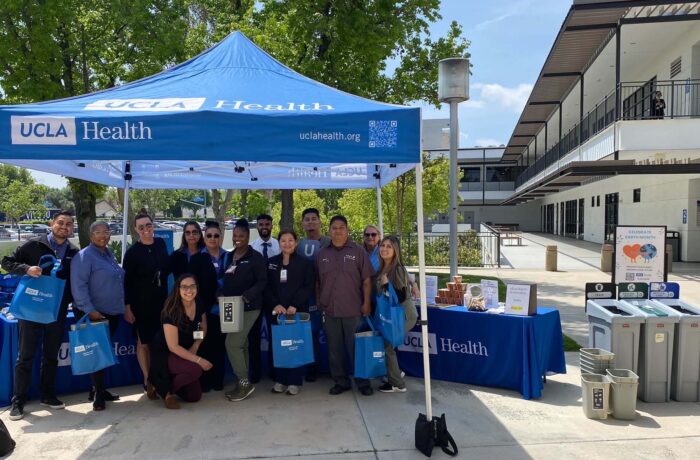
UCLA Health launched a Green Clinic and Sustainability Assessment for its Ambulatory Clinic Network and completed over 50 assessments, tracking criteria over six topics and 100 elements. The new program certifies clinics based on sustainability metrics and is establishing reporting and recognition pathways for these areas. Drawing from policy goals and Practice Greenhealth standards, the assessment program allows for reporting, tracking and recognizing progress within UCLA Health’s vast and diverse community clinic network.
LED Retrofits: Cutting Energy Use, Emissions and Costs Across UCLA Health
UCLA Health is in the process of an energy efficiency project replacing outdated fluorescent bulbs and fixtures with more efficient LED bulbs. During the 2025 fiscal year, UCLA Health replaced approximately 10,000 bulbs. This has resulted in annual reductions of electrical consumption for Ronald Reagan and Santa Monica Medical Centers of approximately 850,000 kilowatt-hours and annual emissions reductions of 210 metric tons of CO2e. Annual utility savings from these projects are $120,000.
FOOD
of food and beverage purchases met sustainability criteria ($3.8M)
of food and beverage purchases were plant-based ($4.1M)
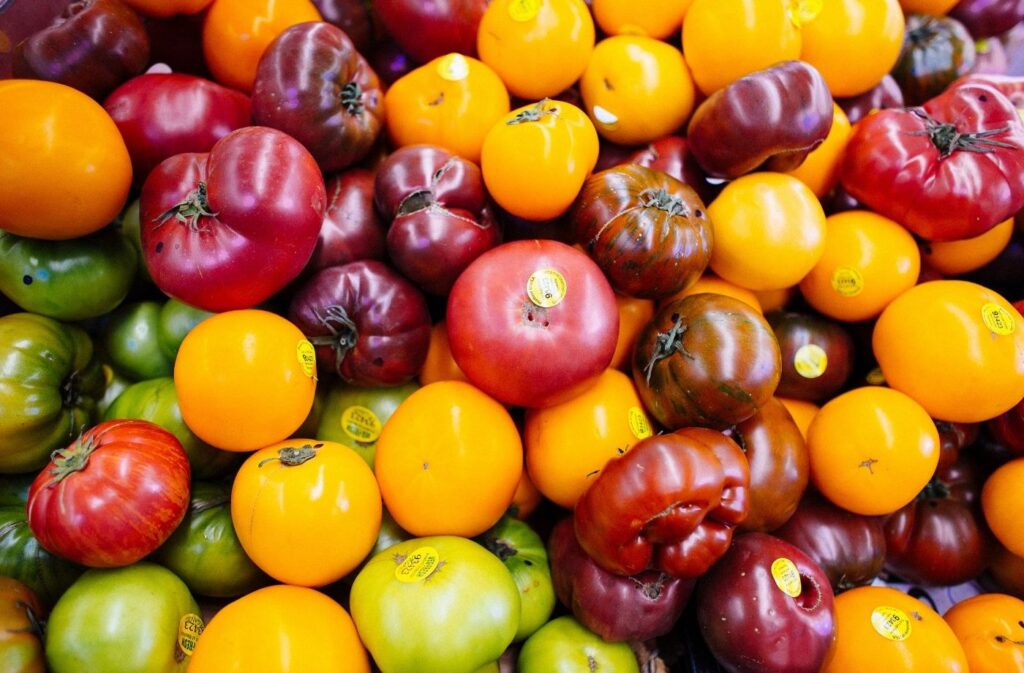
UCLA Health Food Services continues to lead in sustainable dining, expanding plant-based and sustainable offerings despite rising patient volumes. The sustainable food spend rose to 28%, up from 27% last year and nearing the 30% goal. Plant-based food spend reached nearly 31%, exceeding the 25% target. Highlights include sustainably sourced salmon meeting Marine Stewardship Council guidelines, meats from Cream Co. — a distributor committed to sustainable and regenerative ranching — and the inclusion of more organic produce and fruits.
Healthy Vending
Vending machines for Ronald Reagan Medical Center and Westwood campus buildings are jointly managed and reported by UCLA campus. At Santa Monica Medical Center, vending was managed by First Class Vending, acquired by Aramark in March 2025, resulting in no product-level data for fiscal year 2023–24. At West Valley Medical Center, acquired in April 2024 and managed by Sodexo, healthy food spend from April–June 2024 was 17%, and healthy beverage spend was 30%. Full data reporting capability for both sites is expected next year.

healthy vending spend on food ($2K)

healthy vending spend on beverages ($4K)
Healthy vending is defined as meeting UC’s Healthy Vending Guidelines. Data is from 2023–24.
procurement

green spend on appliances and IT hardware (100%)

green spend on office supplies (10%)

cost savings through medical device reprocessing (representing 41,396 pounds of waste avoided)
Green spend is defined as meeting preferred or minimum criteria in UC’s Sustainable Procurement Guidelines.
Suppliers reporting: Appliances and IT hardware (6), Office supplies (1).
“Reprocessing” refers to the FDA-approved re-manufacturing process carried out on a used device, including cleaning, disinfection, sterilization, testing and related procedures to allow its safe reuse. This process allows health facilities to reduce their reliance on single-use devices.
The medical device reprocessing program was expanded systemwide, including at West Valley Medical Center. This effort yielded significant cost savings via the buyback of reprocessed devices, up 611% since last year, from $561,672 to over $3.99 million. This growth is largely attributed to the buyback of air transfer mattresses along with ongoing efforts to expand the categories of reprocessed devices purchased. Green spend on electronics and office supplies also remained steady year over year as a percentage of total spending, highlighting the environmental commitment of the procurement department.
Transportation
Santa Monica Medical Center increased parking capacity, from 1,825 to 1,943 spaces, while also expanding bicycle parking. The newly acquired UCLA West Valley Medical Center adds 2,000 more, supporting growing demand from patients, staff and visitors. Electric vehicle charging infrastructure expanded from 20 to 26 chargers, including two at West Valley and eight fleet-designated chargers at the Operations Center. Employee commute data shows 75% of commuters drive alone, 7% carpool, 4% use public transit, 3% walk and 1% bike.

of employees are utilizing sustainable commuting methods

EV charging ports
*Sustainable vehicles are defined as electric (zero-emission), plug-in hybrid or clean transportation fuel.
ZERO WASTE – GENERATION
*Per capita figures are calculated using Adjusted Patient Day (APD).
**Data provided if not counted in other waste streams.
UCLA Health achieved 25 pounds of waste per adjusted patient day this year, meeting the policy target. Ronald Reagan UCLA Medical Center began onsite autoclave treatment of regulated medical waste, thereby reducing operational hauling costs and emissions generated, driving an increase in total municipal solid waste while reducing regulated medical waste volumes. UCLA Health diverted over 1.24 million pounds of material otherwise bound for landfill through donation and repurposing efforts and expanded reprocessable device collections by 22% over the previous year, an increase of 7,435 pounds.
Single-Use Plastics Phase-Out
Complete Phase-out*
- Plastic bags
- Beverage bottles (UC dining facilities)
- Beverage bottles (vending machines)
Partial Phase-out
- Foodware (UC dining facilities)
Starting Soon
- Foodware (third-party dining facilities)
*Complete phase-out of single-use plastics may include exemptions where reasonable alternatives to plastic do not exist.
UCLA Health remains committed to environmental and human health by reducing single-use plastics across the system. Plastic bags and single-use plastic beverage bottles have been fully eliminated from dining facilities and vending machines. Plastic foodware has been partially phased out in dining facilities, with continued efforts underway. Conversations are also being initiated with third-party dining vendors to encourage a transition to sustainable alternatives. While corporate policies present challenges, many contracts are campus-specific, offering opportunities to further align with sustainability goals.
Awards
UCLA Health received recognition by Practice Greenhealth in 2025, with both Ronald Reagan Medical Center and Santa Monica Medical Center recognized in the top 20 percent of applicants with Greenhealth Emerald Awards. Both hospitals also received Circle of Excellence recognition in Climate, Transportation and Chemicals. UCLA Health was also recognized with a Social Impact Award by SustainableIT.org for its partnership and impact with Human-I-T, through which UCLA Health has donated thousands of pounds of IT equipment that is repaired and refurbished and then provided to communities in need.
A full list of awards is featured on the UC Office of the President’s website.

Combined Data
Progress on the following policy areas for this Health System are reported by the campus location: